

Incorporating risk into financial models in Mergers and Acquisitions (M&A) is a complex but essential process. Identifying and quantifying potential threats that could impact the transaction or the future performance of the merged entity spans various dimensions, including market, operational, financial, and integration risks. Understanding and managing these risks effectively can significantly influence the success of an M&A deal.
Financial projections form the backbone of M&A financial modelling. These projections involve creating detailed forecasts for the combined entity, considering factors such as revenue, expenses, profitability, and other financial metrics. Accuracy here is key for setting realistic expectations and planning for the future.
Valuation is another core aspect of M&A financial modelling, helping determine the fair value of the target company, which is essential for making informed decisions. Common valuation methods include Discounted Cash Flow (DCF) analysis, Comparable Company Analysis (Comps), and Precedent Transaction Analysis (PTA).
Sensitivity analysis allows CFOs and financial analysts to assess how different variables and external factors can impact the financial outcomes of the deal. By considering various scenarios and outcomes, decision-makers can better understand and prepare for potential risks and uncertainties.
In M&A transactions, the costs associated with merging two companies are often underestimated. These integration costs can include employee retention, system integration, legal fees, and other expenses. A detailed budget is essential for avoiding unexpected financial burdens that could negatively impact the deal’s profitability.
Market risks involve external factors that can affect the merged entity’s performance, such as economic downturns, changes in consumer preferences, and competitive pressures. It’s essential to incorporate these risks into financial models to assess their potential impact.
Operational risks relate to internal processes and systems. They encompass integration challenges, cultural differences, and inefficiencies within the merged entity.
Integration risks are specific to the process of combining two entities. These risks can include difficulties in achieving projected synergies, managing human resources, and aligning business processes.
Financial risks cover factors such as financing terms, interest rate fluctuations, and currency exchange rates. Properly managing these risks is crucial for maintaining financial stability.
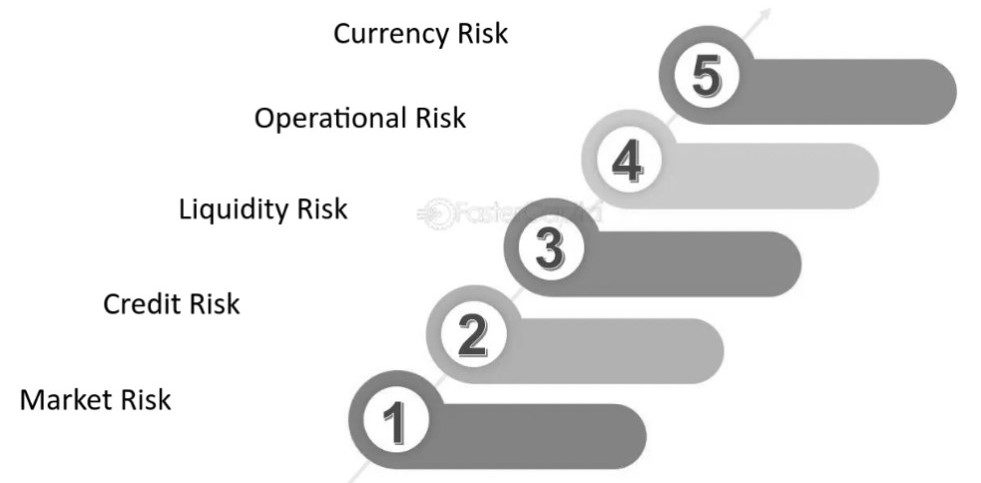
Key Financial Risks [Source: Faster Capital]
The accuracy of data is paramount in M&A modelling. Errors or inaccuracies in the initial data can lead to flawed projections and potentially disastrous outcomes.
Effective M&A financial modelling demands collaboration across various departments, including finance, operations, HR, and IT. Collaboration ensures that all relevant risks are identified and accounted for.
Leveraging advanced technology can enhance the accuracy and efficiency of M&A financial modelling. Tools such as financial modelling software, data analytics platforms, and scenario planning tools can provide valuable insights.
In 2017, Amazon acquired Whole Foods for $13.7 billion. This acquisition required comprehensive financial modelling to assess potential risks and synergies. Amazon projected significant cost savings through supply chain efficiencies and expanded market reach. However, they also faced integration challenges with merging Whole Foods’ brick-and-mortar operations with Amazon’s e-commerce platform.
Disney’s acquisition of 21st Century Fox in 2019 for $71.3 billion involved extensive financial modelling to evaluate the potential impact on Disney’s financial performance. Disney identified significant revenue synergies from combining content libraries and expanding their streaming services. However, they also had to manage integration risks related to corporate culture and operational alignment.
Incorporating risk into financial models in M&A is a critical aspect of ensuring the success of the transaction. By understanding and managing various types of risks, from market and operational to financial and integration risks, companies can make informed decisions and maximize the value of the merger.
Leveraging accurate data, fostering collaboration, and embracing advanced technology are essential best practices in this process. Real-life examples, such as Amazon’s acquisition of Whole Foods and Disney’s acquisition of 21st Century Fox, illustrate the complexities and importance of effective risk management in M&A financial modelling.
Applying these principles and techniques is essential for finance professionals seeking to navigate the complexities of M&A transactions, mitigate risks, and ultimately drive successful outcomes in an ever-evolving market landscape.
P.S. – don’t forget to check our Premium Resources where you will find valuable content to help you excel in Financial Modelling!


